JUDE BIGBOY

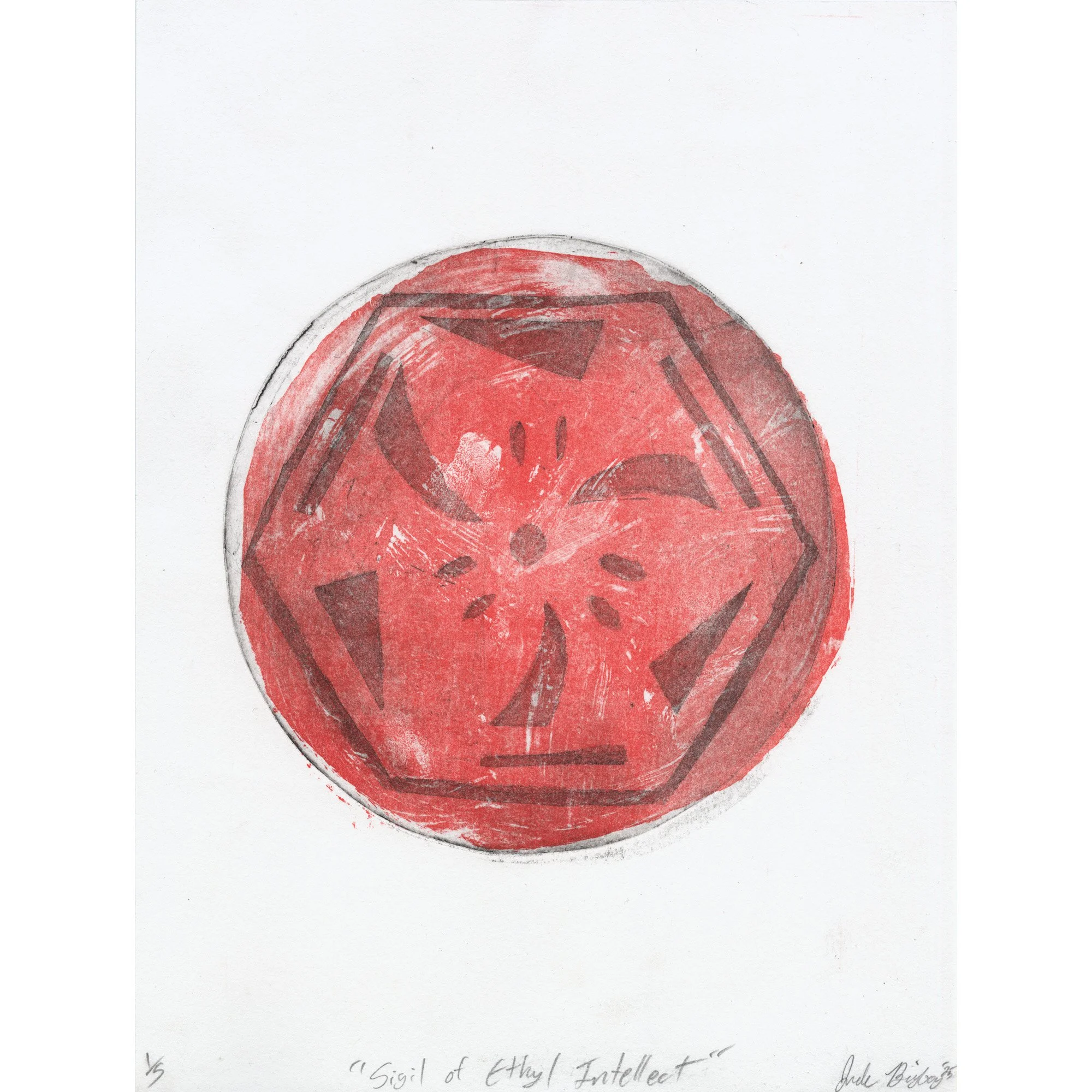
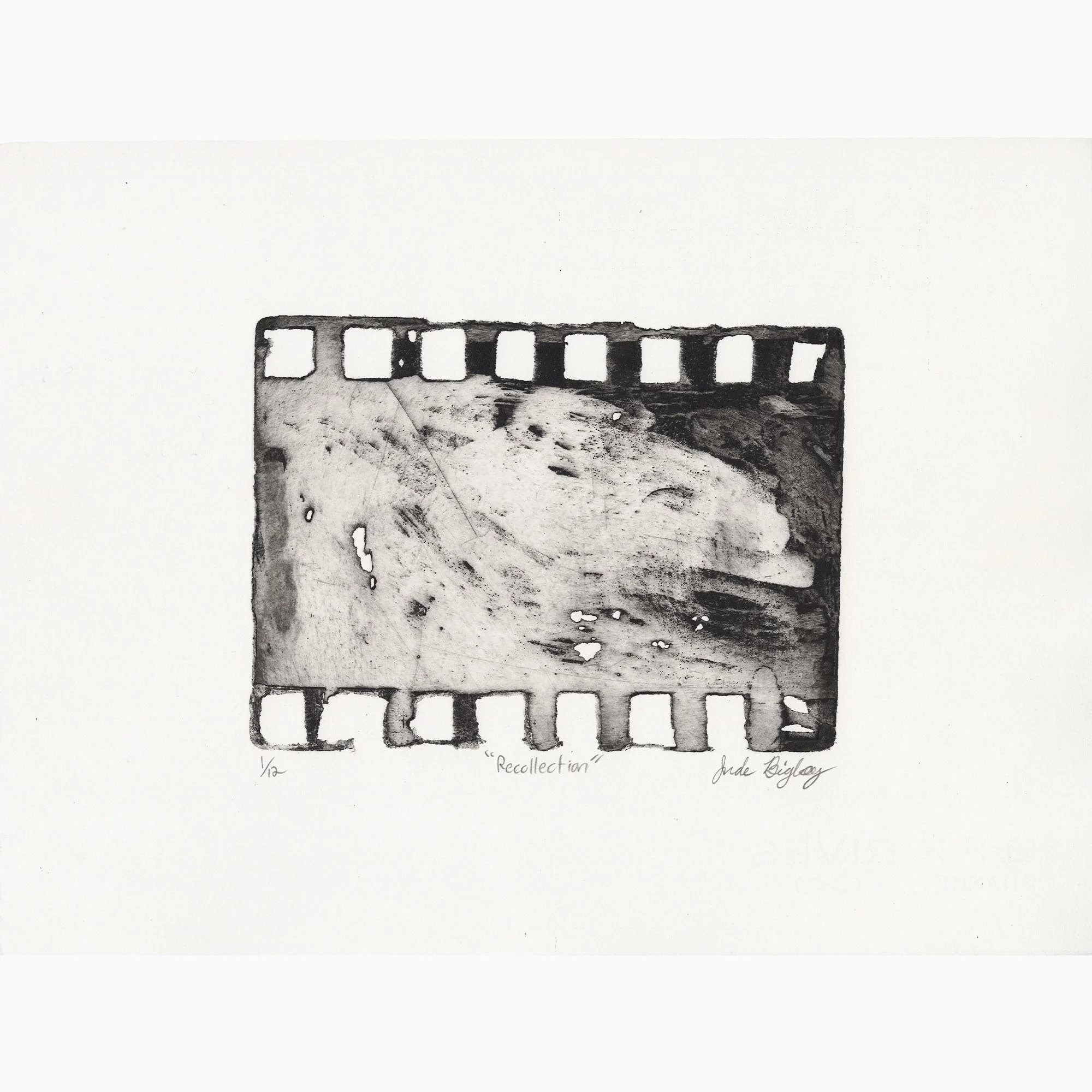
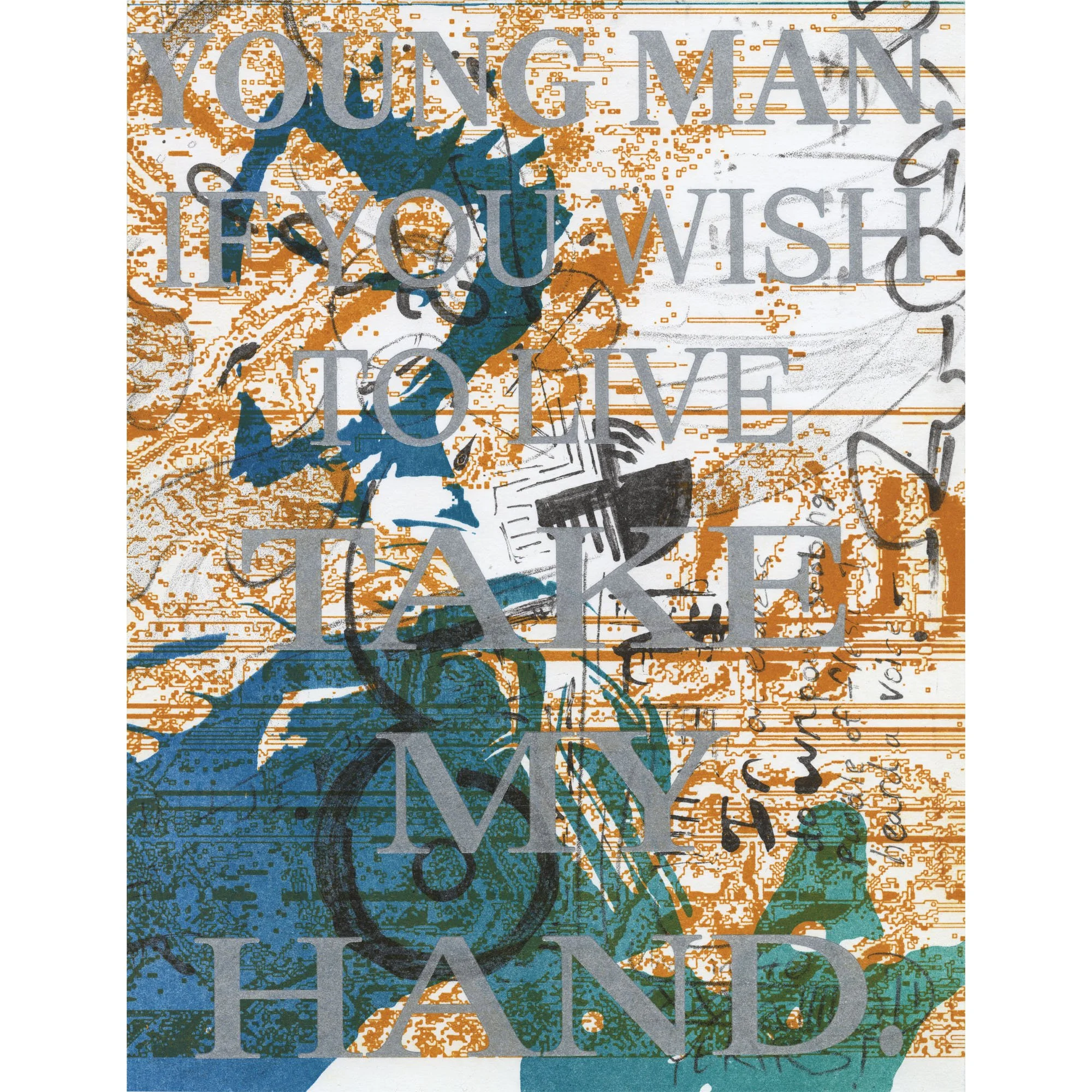
Jude Bigboy was born in Philadelphia, PA, though their familial and spiritual center lies far north, in the wooded landscape of Wisconsin where their Ojibwe relatives made their home. Between the dislocation of the Philadelphia outskirts and the distance from their ancestral ground, Jude grew up acutely aware of what it meant to inhabit spaces that never fully aligned with where they belonged. After a tumultuous childhood marked by custody battles and prolonged court proceedings, they were placed under the permanent care of their grandparents — a turning point, yet one shadowed by systemic misunderstandings of their mental health.
Throughout their teen years, Jude lived in a dense mental fog, misdiagnosed and improperly medicated, sealed inside themselves by a barrier they could not name. Art became the only available passageway — a narrow but dependable route through which the outside world could be reached. Taking after their blue-collar lineage, Jude was drawn instinctively to printmaking: a discipline grounded in labor, repetition, and the transformative physicality of materials pressed into form.
This early devotion eventually led Jude to the Rhode Island School of Design, a privilege they remain deeply grateful for. Yet RISD was also a landscape of stark contrast: surrounded by peers whose financial stability and unencumbered childhoods they could barely imagine, Jude struggled to connect, stumbling in and out of depression, isolation, and paranoia. For the first time, they were forced to confront questions of identity that had never been named aloud — questions of disability, mixed-race ancestry, and the profound invisibility created by years of untreated symptoms.
A manic episode pulled them across the country to the Pacific Northwest, where they spent a gap year after receiving the devastating news that their abuser had been approved for parole. The resulting relapse — marked by substance use, paranoia, and psychic unraveling — became both a breaking and a turning. When Jude eventually returned to Philadelphia, they did so with the support of family and the willingness to seek proper treatment for the first time. With clarity came purpose. With purpose came the re-emergence of printmaking as more than craft — as methodology, philosophy, and infrastructure.
Returning to RISD, Jude finally understood what had always drawn them to the medium: its scientific core. Printmaking is not merely image-making for them — it is physics, chemistry, precision, transformation. Pressure, temperature, viscosity, oxidation, polymerization, mechanical force — these are not just technical considerations but conceptual anchors in Jude’s practice. They see printmaking as one of humanity’s earliest information technologies: a global, cross-cultural, time-spanning system that weds material science with the transmission of ideas. Its processes mirror Jude’s own internal architecture — layered, recursive, analytical, deeply embodied.
Their art follows an iterative cycle that resembles scientific inquiry as much as creative expression: research → adaptation → making → discovery → research again. Through this loop, Jude channels disordered cognition into structured, tactile forms. They describe printmaking as a “perpetual motion machine” for their life — an engine of understanding powered equally by curiosity and survival.
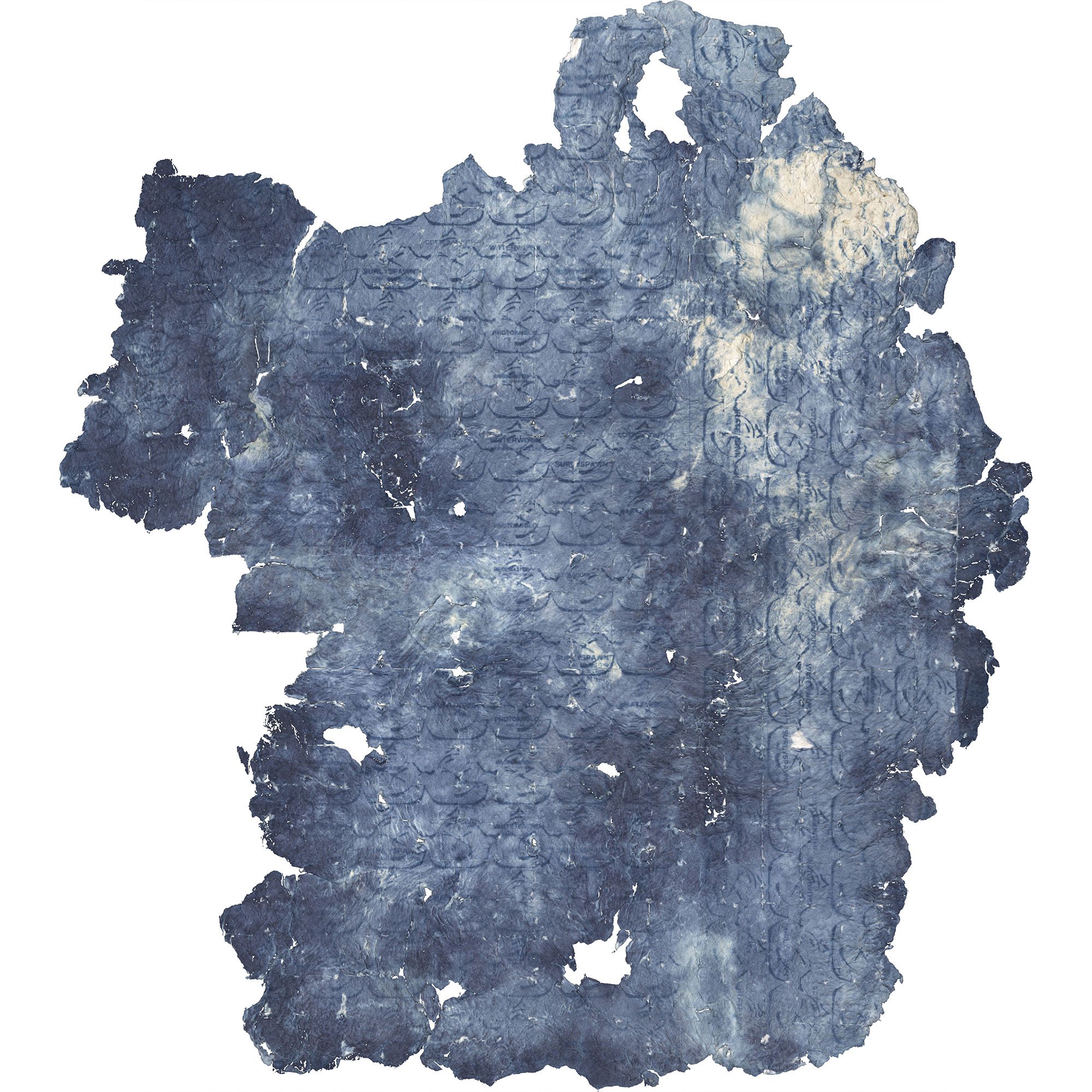
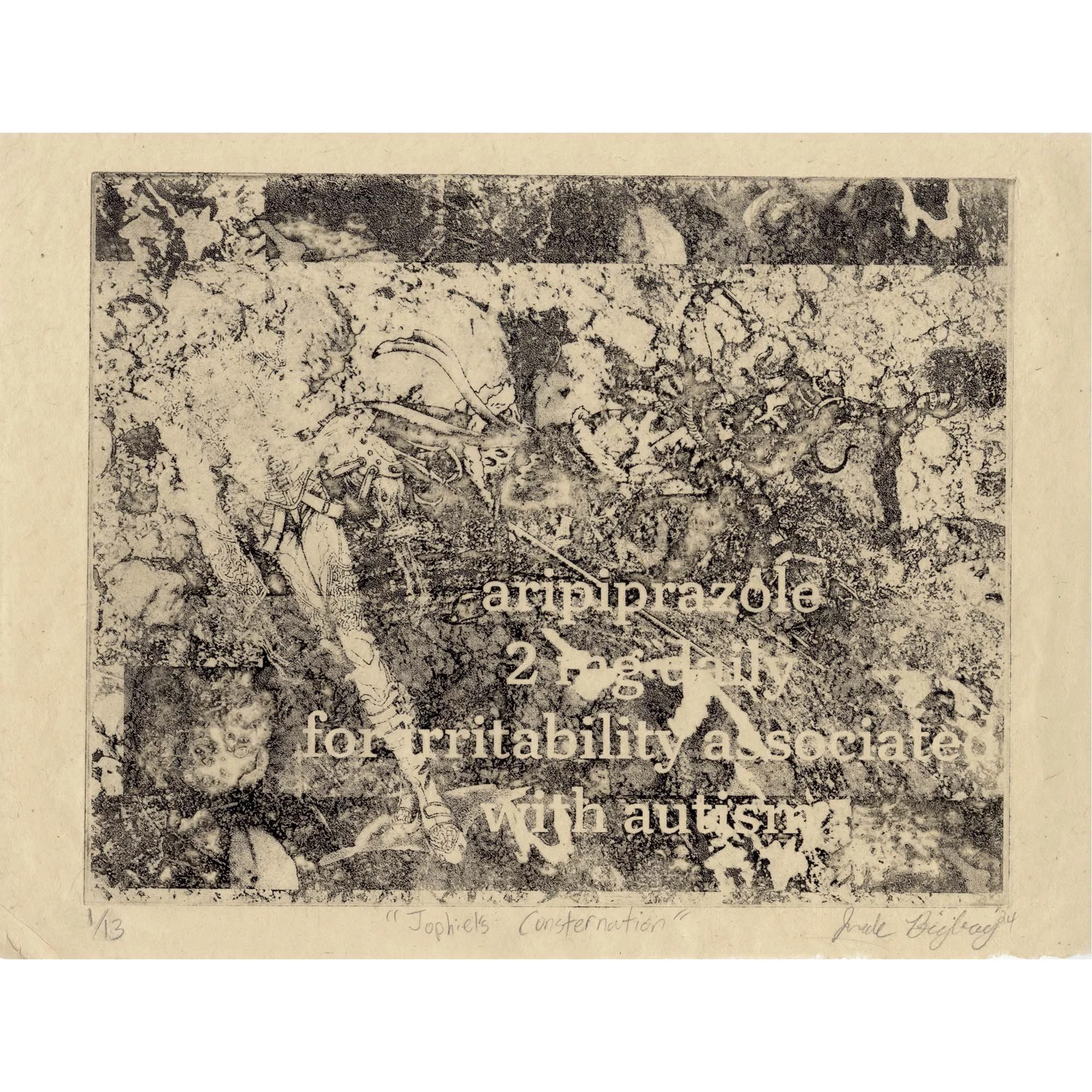
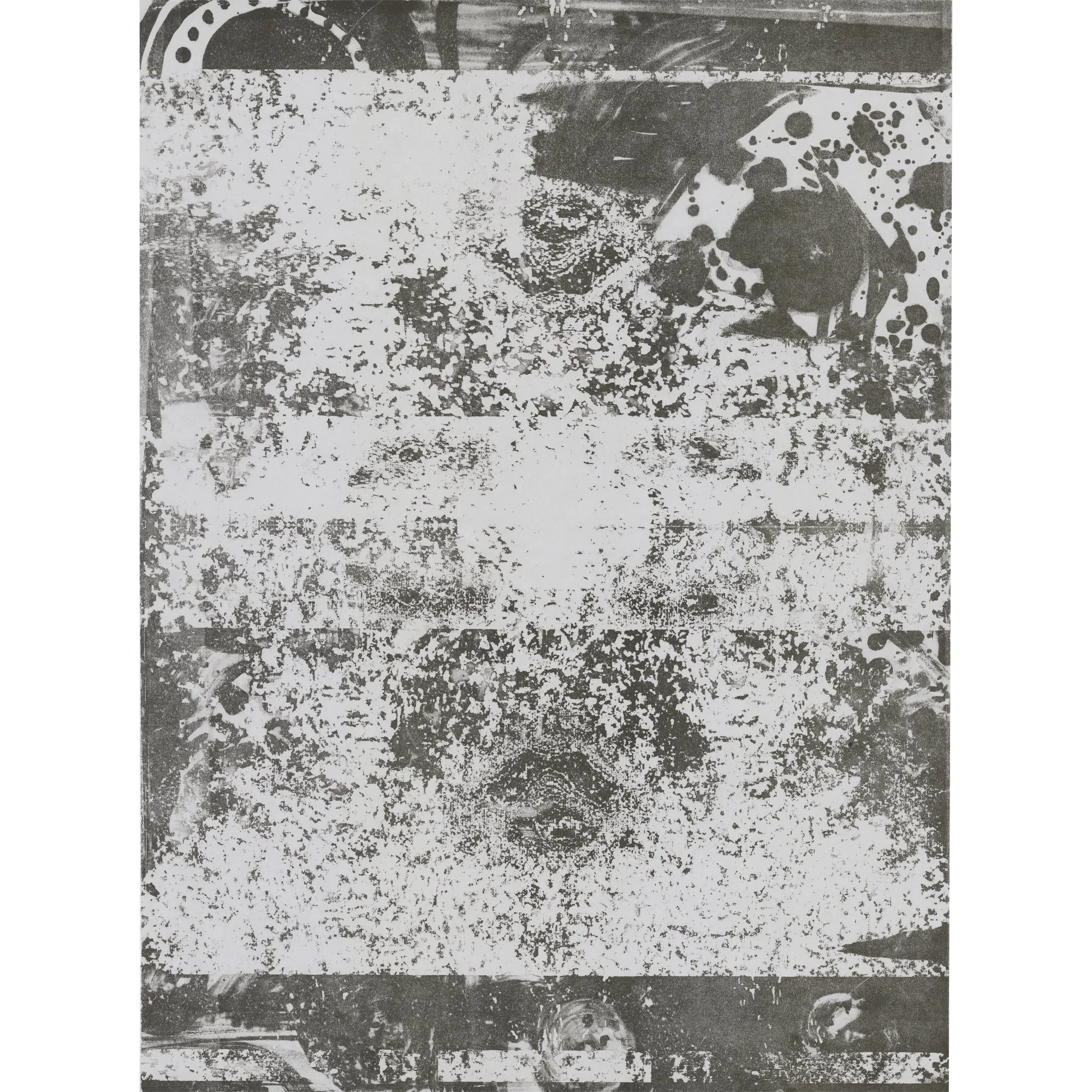
Their work engages the viewer on two planes at once: the material and the psychological. Jude is unapologetically and passionately schizophrenic in their practice, refusing the commercialized archetypes and stigmatized tropes often imposed on their identities. Instead, they offer viewers a physical encounter with disordered thought — a translation of cognitive tangles into etched plates, silkscreens, linocuts, and hand-pulled prints. Through repetition, layering, abstraction, and symbolic language, they transform inner chaos into legible form without sanitizing its complexity.
By merging indigenous heritage, scientific inquiry, and a lived understanding of disability and mental illness, Jude’s prints become records of consciousness: alive, unstable, precise, and layered with meaning. They push against the invisibility that once defined their life, asserting themselves — not through spectacle, but through rigorous, process-driven craft.
Jude Bigboy’s work is a testament to reclamation: of identity, narrative, methodology, and self. Their prints do more than communicate; they restructure perception. They invite viewers into a deeper register of thought, challenging them to move past stereotype and toward an encounter with the raw, scientific, psychic, and cultural complexities of a life lived in motion.